BY JP PAUL
www.proximitycouncil.com
AUGUST 9, 2026
The race for artificial intelligence compute power has hit an unexpected wall—not in microchips or software algorithms, but in the electrical grid.
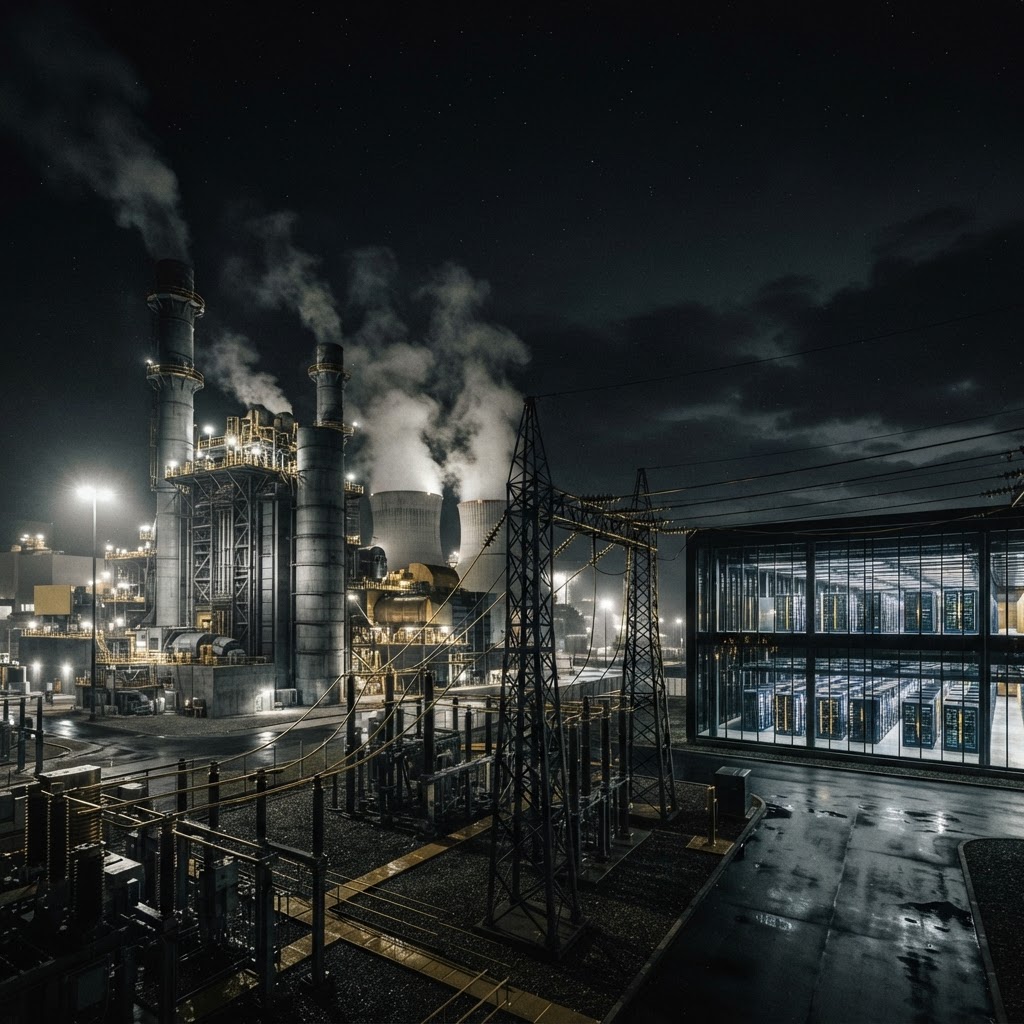
This week, reports confirmed that SpaceX and Tesla selected Texas for a massive AI chip manufacturing plant ("Terafab"). To overcome grid capacity constraints, the companies announced plans to build their own dedicated natural gas power plants and large battery arrays directly on-site to power the facility.
When the world's leading tech innovators decide to become their own power utility, it signals a structural shift in how businesses must view technology infrastructure going into late 2026.
Energy Is the New Infrastructure Bottleneck
For the past two years, AI discussions focused on GPU shortages and model training costs. Today, the core constraint is sheer energy availability. Data centers and semiconductor fabrication facilities consume vast amounts of electricity. Local power grids across North America and Europe are struggling to keep up with demand without raising rates for surrounding businesses and households.
Vertical Integration Expands to Utilities
By building proprietary power generation alongside manufacturing facilities, tech giants are establishing a new playbook: total operational independence. Rather than waiting years for local utility hookups or environmental grid approvals, high-growth enterprise operations are increasingly forced to verticalize their energy supply chains to guarantee uptime and compute capability.
Strategic Implications for Business Leaders
RISING ENERGY OVERHEAD
As tech infrastructure competes with municipal grids for power, commercial electricity costs will face continued upward pressure.
A PIVOT TOWARD MEASURED AI ROI
With energy and hardware capital expenditures soaring, corporate boards are pressing leadership teams to move past AI experimentation and prove concrete productivity gains and financial return on investment.
SUPPLY CHAIN LOCALIZATION
Energy-intensive manufacturing and data operations are relocating toward regions with abundant natural resources and streamlined energy permitting, reshaping regional commercial real estate markets.
The Bottom Line
The AI revolution is no longer just a software narrative—it is a capital-intensive physical infrastructure challenge.
As tech leaders build private power stations to keep pace with demand, business leaders across every industry must prepare for higher baseline energy costs and demand clear financial returns on their technology investments.
[DON'T NAVIGATE THE INFRASTRUCTURE SHIFT ALONE]
The Proximity Council gives you the strategic frameworks, peer-level perspective, and accountability to navigate the AI infrastructure era and engineer certainty into your trajectory.
EXPLORE THE PROXIMITY JOURNEY